
"Central American brightness"
1000 article(s) found

Variety characteristics of mellow and sweet Latin American coffee introduction to the flavor of fine coffee beans in the manor
Latin America (Latin America) in 1721 French naval officer de Klee (Gabriel Mathieu de Clieu) experienced difficulties and obstacles to bring the first coffee sapling from Africa to the Latin American island of Martinique, which was the origin of coffee cultivation in Latin America. Because at that time, France was under the reign of the Bourbon dynasty, and Elaraby was grown in Latin America.

Taste characteristics of mellow and sweet Latin American coffee varieties introduction to the flavor of fine coffee beans in the manor
Latin America (Latin America) in 1721 French naval officer de Klee (Gabriel Mathieu de Clieu) experienced difficulties and obstacles to bring the first coffee sapling from Africa to the Latin American island of Martinique, which was the origin of coffee cultivation in Latin America. Because at that time, France was under the reign of the Bourbon dynasty, and Elaraby was grown in Latin America.

The overall flavor shows the flavor, characteristics, taste and manor of Latin American coffee with excellent balance.
Latin America (Latin America) in 1721 French naval officer de Klee (Gabriel Mathieu de Clieu) experienced difficulties and obstacles to bring the first coffee sapling from Africa to the Latin American island of Martinique, which was the origin of coffee cultivation in Latin America. Because at that time, France was under the reign of the Bourbon dynasty, and Elaraby was grown in Latin America.

Taste characteristics of Latin American coffee varieties with mellow and sweet taste introduction to the flavor of fine coffee beans in the manor
Latin America (Latin America) in 1721 French naval officer de Klee (Gabriel Mathieu de Clieu) experienced difficulties and obstacles to bring the first coffee sapling from Africa to the Latin American island of Martinique, which was the origin of coffee cultivation in Latin America. Because at that time, France was under the reign of the Bourbon dynasty, and Elaraby was grown in Latin America.

Does balanced, consistent and usually delicate coffee belong to American coffee? American coffee flavor representative
Coffee beans from America are famous for their light to medium-bodied wine and balanced and clean taste. American coffee usually shows a slight sweetness in the taste, usually accompanied by blistering, crisp and lively acidity, and may also have a spicy taste. South American coffee, the South American coffee classified here also includes Central America, from the following countries: Belize, Bolivia, Brazil, Chile, Cuba

Mellow and sweet three have the characteristics of Latin American coffee varieties, taste, manor boutique coffee and bean flavor.
Latin America (Latin America) in 1721 French naval officer de Klee (Gabriel Mathieu de Clieu) experienced difficulties and obstacles to bring the first coffee sapling from Africa to the Latin American island of Martinique, which was the origin of coffee cultivation in Latin America. Because at that time, France was under the reign of the Bourbon dynasty, and Elaraby was grown in Latin America.

Brazilian Syrador Prairie balance Coffee Central and South American Coffee beans Citrus
Boutique coffee (specialty coffee) is also called specialty coffee selection coffee. It refers to coffee made from a small number of raw beans with excellent taste grown in an ideal geographical environment. Depending on the special soil and climatic conditions in which they grow, they have outstanding flavor. After strict selection and classification, this kind of coffee is hard in texture, rich in taste and stylish.

Sour and Bright Nicaragua Plantation Area Taste Treatment Variety Introduction
Nicaragua has a deep, chocolate, caramel sweet, almond flavor, bright acidity, and a bright acidity that is different from the traditional Central American acid. Nicaragua coffee planting ecology has a unique environment, fertile volcanic soil, plus shade planting methods, establish a good growth physique, so that Nicaragua beans not only have rich alcohol but also
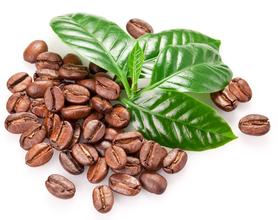
Boutique coffee beans: a detailed explanation of the producing areas and flavor of the world's boutique coffee beans
South American Coffee region introduction / SouthAmericanArea Columbia [Xuefeng] Coffee ColombiaKoguiSnowCapSpecialtySupremo: South American countries: Colombia: SierraNevada flavor: obvious nutty flavor, rich and varied overall taste. Columbia [MDLS] Manor ColombiaMDLS country: South American country: Colombian region

Chocolate-flavored Niagara Los Congo Manor Coffee Flavor description Taste characteristics of varieties
The Nicaraguan national emblem was launched in 1971. The national emblem consists of three yellow edges symbolizing equality, truth and justice. The five green mountains symbolize Honduras, Guatemala, Nicaragua, El Salvador and Costa Rica, which used to make up the Central American Federation. Blue symbolizes the Pacific Ocean and the Caribbean Sea, which are separated by the Central American isthmus. The yellow on the top of the mountain reflects the volcanic plateau landform of the area. Stand on the green mountain
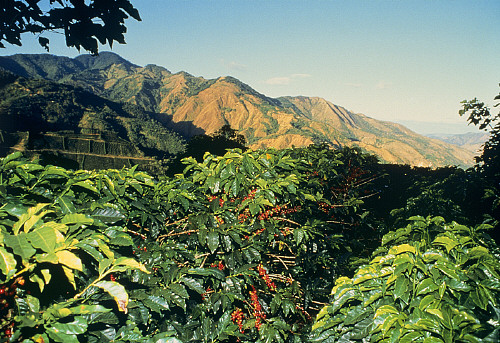
Introduction of boutique coffee producing area in Latin America
Latin America (Latin America) in 1721 French naval officer de Klee (Gabriel Mathieu de Clieu) experienced difficulties and obstacles to bring the first coffee sapling from Africa to the Latin American island of Martinique, which was the origin of coffee cultivation in Latin America. Because at that time, France was under the reign of the Bourbon dynasty, and what was grown in Latin America

Introduction to self-baked boutique coffee: Costa Rica
Edwin Mora and Mario Jimenez teamed up to run the small farm three years ago and has its own raw bean factory. The farms and workshops are in the small town of La Angostura de Len Corts in the Tarasu area. Although the scale is very small, they have been trying to maintain high quality. Here coffee is taken good care of from breeding to harvest, and they also make use of many new ones.

A Brief Talk on Sino-American Coffee-Beautiful Nature, Caribbean Spirit-Dominican Republic
Professional barista exchanges, please pay attention to coffee workshop (Weixin Official Accounts cafe_style) rather than Dominican coffee belongs to Central American coffee, but many materials are classified as Caribbean or island coffee. In addition to differences in climate and terroir, there are also differences in political independence and consumption habits, which make multinational coffee more elegant temperament belonging to islands. In recent years, it has devoted itself to

Baking suggestions for describing the Flavor characteristics of single Bean, Coffee Bean in Latin America
Professional baristas exchange please pay attention to the coffee workshop (Wechat official account cafe_style) Panama (Panama) aroma 3.5 minutes brightness 4.5 minutes mellow 3.5 minutes flavor 4.5 minutes aftertaste 4.5 minutes suitable for roasting: Light/Medial/City shallow roasting to medium roasting, shallow to the end of an explosion; the deepest do not enter the second explosion, otherwise it will damage its brightness clean quality, complexity will also be reduced. Coffee
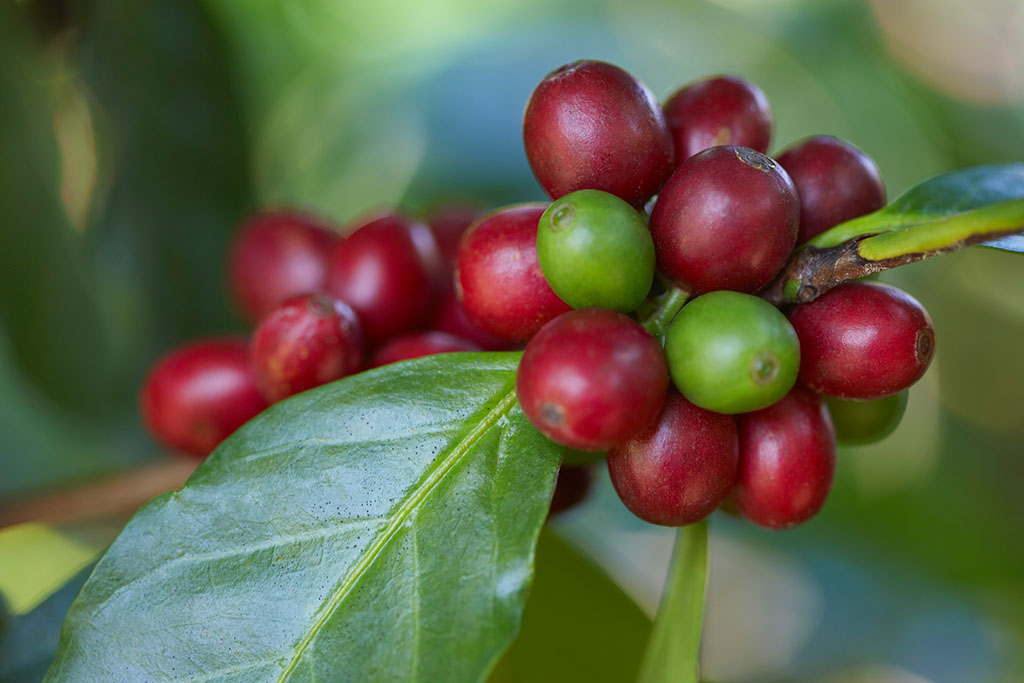
Costa Rican "complete Coffee" Central and South American boutique coffee CR flavor
Costa Rica (Costa Rica) aroma 3.5 minutes brightness 4.5 minutes mellow 3 minutes flavor 4.5 minutes aftertaste 4.5 minutes suitable for baking degree: Light/Medial/City wants to show Costa Rican perfectly balanced flavor, then absolutely can not deep baking, it is recommended that City degree, or even the end of the first explosion can be added beans, when the flavor and flavor will be both, close to the second explosion is the most baking

The cultivation of coffee beans in Latin America Starbucks Latin American coffee beans
The cultivation of Latin American coffee beans Starbucks Latin American coffee beans Peruvian coffee is not common internationally, and it is generally believed that its processing process is hasty, so the evaluation is not good, which is the result of previous state monopoly. In fact, Peruvian coffee has good growth conditions, and many of them are grown organically, so the quality of coffee beans has always been quite good. The famous producing area of Peruvian coffee is

Introduction to the characteristic Flavor planting areas of Coffee beans in Latin America
For professional baristas, please pay attention to the coffee workshop (Wechat official account cafe_style) Salvador (El Salvador) aroma 4 minutes brightness 4.5 minutes mellow 3 minutes flavor 4.5 minutes aftertaste 4.5 minutes suitable for roasting degree: if City/Full city city has a preference for heavy flavor, it can be roasted a little deeper. Most people think of El Salvador as a war.

Coffee beans from Kimmel Estate, Papua New Guinea Flavors, Characteristics
Professional coffee knowledge exchange More coffee bean information Please pay attention to coffee workshop (Weixin Official Accounts cafe_style) Papua New Guinea coffee is unique on New Guinea Island, different from Indonesia, a neighboring country. Volcanic soil, rich rainforest environment, its bright, sour, fruity smell similar to Central and South American flavor. Small farmers can grow about 20 trees

Stories about the characteristics of well-known Central American coffee producing areas
Well-known representative coffee: Tarrazu Costa Rica, like other Central American countries, widely grows Arabica coffee. Its coffee is mainly grown in two high areas, one is the high area near the capital San Jose, and the other is the Tarrazu mountains southeast of San Jose. Because coffee is grown in Costa Rica at high altitudes.

Bright citrus acidity, round fruit taste Panama Cassah coffee flavor, character, taste and
Panama is located on the Isthmus of Panama in Central America, bordering Colombia to the east, the Pacific Ocean to the south, Costa Rica to the west and the Caribbean Sea to the north. The territory is S-shaped connecting North America and South America, and the Panama Canal connects the Atlantic Ocean and the Pacific Ocean from north to south, known as the world bridge. [5]Panama covers an area of 75517 square kilometers, with a length of 772 kilometers and a width of 60 to 1.